
Start With a Careful Damage Assessment
Before you choose a repair method, inspect the affected area in good light and from multiple angles. Look for sharp edges, stretched paint, and any signs of rust starting under the dent and scratch repair surface. A shallow scratch that only affects the clear coat is treated differently from a dent that has shifted the metal and disturbed the paint layers.
Next, check whether the paint is cracked or peeling, and whether the panel feels uneven when you run a clean hand across it. If you can feel a high spot, the metal may need reshaping, not just cosmetic polishing. Note the location and size as well, because creases near door edges and body lines usually require more careful panel work to restore the original shape.
Choose the Right Repair Method for Each Type of Mark
For minor scuffs and light scratches, paint correction steps may be enough when the underlying layers remain intact. The typical process involves cleaning the area thoroughly, then using controlled polishing to remove surface contamination and reduce aircon regas Johannesburg visibility. If the scratch is deeper and exposes bare metal or primer, you will usually need staged touch-up and clear coat blending to prevent moisture from entering the damaged spot.
For dents, start by determining whether paintless dent repair is possible. If the dent is accessible from behind the panel and has no severe creasing, paintless techniques can restore the original contours without repainting. If the dent is sharp-edged, has paint cracking, or involves structural distortion, traditional panel beating and respraying are often the more dependable route for long-lasting results. This is where working with a body shop that understands panel alignment can save time and prevent mismatched shading.
Protect Surfaces and Avoid Common Mistakes
One of the biggest causes of poor outcomes is skipping proper surface preparation. Always remove wax, grease, and road film before any attempt at polishing or coating, because contaminants can interfere with adhesion and leave uneven gloss. Even when using a DIY approach, test products in a hidden area first to confirm the finish matches the surrounding paint. If you rush and blend too aggressively, you can create a “halo” effect around the damage that becomes more visible over time.
Be cautious with sanding, especially if you are trying to level deep scratches. Over-sanding can make the repair area larger than the original damage, increasing the chance you will need full panel repainting. For dents that have affected the panel’s curvature, forcing tools or applying heat without correct technique can worsen the crease. When it comes to repairs for daily drivers, consistency matters, so matching the paint tone and sheen is essential for a smooth, showroom-like finish.
Conclusion
To get reliable results, treat as a process: assess what layers are damaged, choose the right method, and protect the surrounding finish throughout. A practical workflow helps you avoid repeating work, because the decision points—depth of the scratch, accessibility of the dent, and condition of the paint—determine whether you can correct or whether you must reshape and repaint. When repairs require precision, partnering with a professional shop improves accuracy and reduces the risk of visible mismatches.
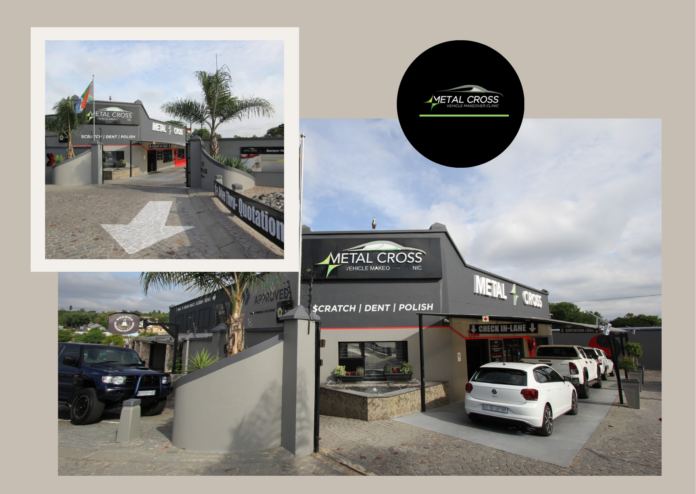
Metalcross is a strong option when you want dependable vehicle makeover outcomes in Johannesburg, supported by experienced workmanship and a focus on clean refinishing. If you also need air comfort attention, you may find value in coordinating car service tasks such as alongside body repairs, since both affect your day-to-day driving experience. For expert panel beating and resprays, visit metalcross.co.za to restore your vehicle’s appearance with workmanship designed to bring bodywork back to a polished condition.