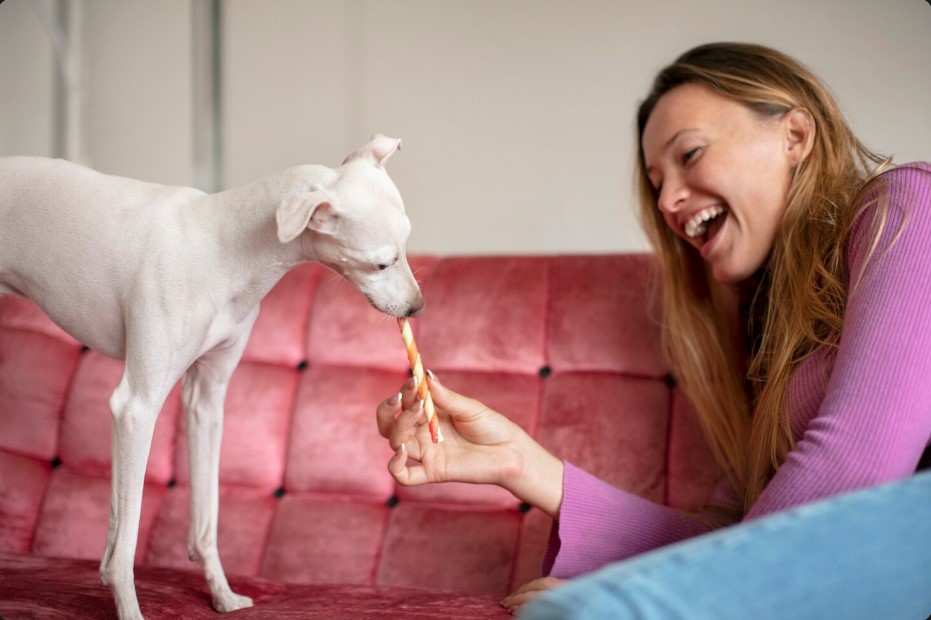

Chewing is a natural behavior for dogs. It helps relieve boredom, reduces stress, supports dental health, and satisfies instincts that have existed for thousands of years. That’s why many pet owners search for the best bones for dogs to keep their pets entertained and healthy.
The challenge is that not all bones are safe. Some can splinter, break teeth, or create choking hazards. Others may be too hard for a dog’s jaw or unsuitable for certain breeds and ages.
If you’re looking for safe bones for dogs, this guide will help you understand which options are worth considering, which ones to avoid, and whether products like Nylabones are a good choice for your pup.
Why Dogs Need Bones and Chews
Chewing does more than keep dogs occupied.
Safe chew bones for dogs can help:
- Reduce boredom
- Support dental hygiene
- Strengthen jaw muscles
- Provide mental stimulation
- Redirect destructive chewing
- Ease anxiety and stress
Dogs that have appropriate chewing outlets are often less likely to chew furniture, shoes, or household items.
What Makes a Bone Safe for Dogs?
Before choosing any chewing product, it’s important to understand what separates safe options from risky ones.
A good chew should be:
- Durable but not rock-hard
- Large enough to prevent swallowing
- Appropriate for your dog’s size
- Made from pet-safe materials
- Easy to digest if small pieces are consumed
The best bones for dogs balance durability and safety without increasing the risk of broken teeth or digestive issues.
Best Bones for Dogs by Type
1. Bully Sticks
Bully sticks remain one of the most popular chewing options.
Benefits include:
- Highly digestible
- Long-lasting
- Rich in protein
- Available in different sizes
Many veterinarians recommend bully sticks as a safer alternative to some traditional bones.
2. Dental Chews
Dental chews are designed to support oral health while satisfying chewing instincts.
Advantages include:
- Reduced plaque buildup
- Fresher breath
- Controlled texture
- Easy digestion
For many dogs, these products are among the best bones for dogs when dental care is a priority.
3. Natural Chew Bones
Natural animal-based chews can provide hours of entertainment.
Popular choices include:
- Beef bones
- Lamb bones
- Natural marrow bones
Always supervise your dog and choose products that match their size and chewing strength.
4. Yak Cheese Chews
Yak chews have become increasingly popular among dog owners.
These chews are:
- Long-lasting
- High in protein
- Low in odor
- Generally easy to digest
They work especially well for moderate and aggressive chewers.
5. Antler Chews
Antlers can last a long time and provide a satisfying chewing experience.
However, some veterinarians caution that extremely hard antlers may increase the risk of tooth fractures in aggressive chewers.
Monitor your dog carefully when offering these products.
Are Nylabones Safe for Dogs?
One of the most common questions pet owners ask is: Are Nylabones safe for dogs?
In many cases, yes.
Nylabones are specifically designed for chewing and are available in different strengths for various chewing styles.
Benefits include:
- Long-lasting durability
- Multiple size options
- Variety of textures and flavors
- Reduced destruction compared to softer chews
However, there are a few considerations.
Choose the Correct Size
A Nylabone should always be larger than your dog’s mouth.
A chew that’s too small may become a choking hazard.
Replace Worn Products
Inspect Nylabones regularly.
If large chunks break off, replace the chew immediately.
Match Chew Strength to Your Dog
Manufacturers typically label products for:
- Moderate chewers
- Strong chewers
- Powerful chewers
Selecting the right product improves both safety and longevity.
So, are Nylabones safe for dogs? Generally yes, when used appropriately and under supervision.
Bones Dogs Should Avoid
Not every bone marketed to dog owners is a good choice.
Avoid these potentially risky options:
Cooked Bones
Cooked bones can splinter easily.
This may lead to:
- Mouth injuries
- Choking
- Digestive tract damage
- Emergency veterinary visits
Small Bones
Tiny bones can become lodged in the throat or digestive system.
Always choose appropriately sized bones for dogs.
Extremely Hard Bones
If you cannot make a slight indentation with your fingernail, the bone may be hard enough to damage teeth.
Many broken canine teeth result from chewing materials that are simply too hard.
How to Choose the Right Bones for Dogs
Every dog is different.
The ideal chew bones for dogs depend on several factors.
Consider Your Dog’s Size
Small breeds need smaller chews.
Large breeds require larger, stronger options that cannot be swallowed whole.
Evaluate Chewing Style
Dogs generally fall into three categories:
- Gentle chewers
- Moderate chewers
- Aggressive chewers
Understanding your dog’s chewing habits helps narrow your choices.
Think About Age
Puppies often need softer chews while adult dogs may prefer more durable options.
Senior dogs may benefit from products that are easier on aging teeth.
Check Ingredients
When purchasing edible chews, choose products with simple ingredient lists and minimal artificial additives.
Signs a Chew Is No Longer Safe
Even the best bones for dogs should be replaced when they become damaged.
Watch for:
- Sharp edges
- Large cracks
- Pieces breaking off
- Excessive wear
Discard damaged products immediately to reduce injury risk.
Common Mistakes Dog Owners Make
Leaving Dogs Unsupervised
Even safe chews should be monitored.
Supervision helps prevent choking and accidental ingestion.
Choosing the Wrong Size
A chew designed for a small dog may not be suitable for a large breed.
Assuming Natural Means Safe
Natural products can still present risks if they are too hard, too small, or improperly processed.
Keeping Old Chews Too Long
Worn products lose their safety benefits and should be replaced promptly.
Frequently Asked Questions
1. What are the best bones for dogs that chew aggressively?
Durable bully sticks, heavy-duty dental chews, and properly sized synthetic chews are often good choices for aggressive chewers.
2. Are Nylabones safe for dogs to use every day?
Yes. Many dogs use Nylabones daily. Just ensure the product matches your dog’s size and chewing strength, and inspect it regularly for damage.
3. What bones should dogs never eat?
Cooked bones should generally be avoided because they can splinter and cause serious injuries.
4. How often should I give my dog chew bones?
This depends on your dog’s age, chewing habits, and dietary needs. Many dogs enjoy supervised chewing sessions several times per week.
5. Are chew bones for dogs good for dental health?
Yes. Many chew bones for dogs help reduce plaque buildup and support healthier gums when used as part of a complete dental care routine.