
Why outpatient centers benefit from faster reads
For many outpatient imaging centers, the biggest bottleneck is not the scanner—it’s the turnaround time between acquisition and a finalized diagnostic report. When local radiology staff are stretched across multiple sites, cases can queue up, creating delays for referring clinicians and patients. By ai radiology reporting incorporating AI-assisted workflows, centers can reduce waiting periods while keeping the reporting process structured and consistent. This can be especially valuable when volume spikes due to seasonal scheduling or referral surges, even if staffing remains constant.
AI tools can also help standardize the first pass of interpretation by highlighting likely findings and organizing key observations for the radiologist to review. Instead of starting from a blank page, the radiologist receives an evidence-backed summary that mirrors typical report elements. That structure supports more efficient documentation and can lower the risk of omissions in time-sensitive scenarios. For example, a head CT case can be routed with focused prompts around hemorrhage indicators, while chest and abdomen studies can be organized around organ-specific patterns.
Local relevance: consistency, communication, and case triage
Local relevance matters because outpatient practices often rely on predictable communication with primary care, emergency follow-ups, and specialty clinics. When reports arrive quickly and follow a consistent format, clinicians can act with confidence and reduce repeat imaging. AI-assisted reading teleradiology companies can support consistent phrasing, impression structure, and exam-specific checklists that match the expectations of local providers. This consistency becomes a competitive advantage for regional imaging networks that want to build long-term referral relationships.
Another practical benefit is smarter case triage for centers that collaborate with teleradiology partners. When certain study types require immediate attention, AI can help prioritize cases by flagging patterns that warrant expedited review. This does not replace clinical judgment, but it can guide how worklists are ordered so urgent studies are not buried under non-urgent work.
From workflow integration to exam-specific improvements
Successful implementation depends on integrating AI into the existing reporting workflow rather than adding a separate tool that radiologists must juggle. A well-designed system can capture imaging context, apply structured analysis, and present outputs in a format that fits typical reporting habits. For outpatient imaging centers, this means fewer manual steps and a clearer path from study upload to preliminary findings. When the workflow is streamlined, radiologists can spend more time on complex interpretation and less time on repetitive formatting tasks.
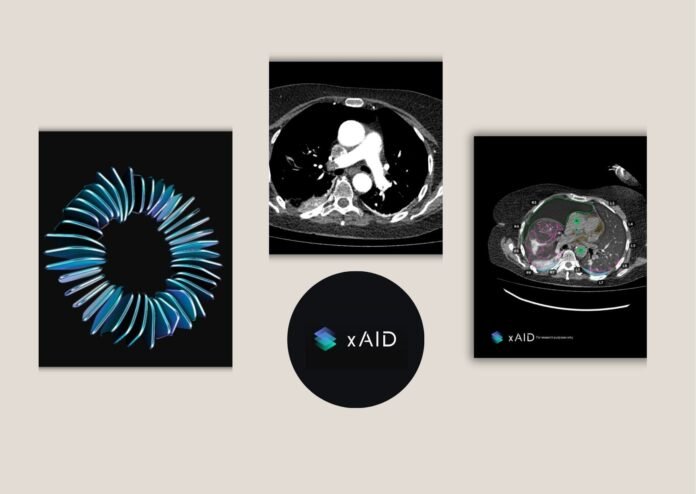
AI-assisted CT reporting can be particularly effective across head, chest, and abdomen studies, where consistency and systematic review are critical. In head CT, the tool can support attention to brain parenchyma changes, ventricles, and bleed-related cues, giving radiologists a helpful starting point. For chest CT, it can emphasize region-based patterns so radiologists can verify findings with the same checklist style across cases. For abdomen CT, it can organize prompts around major organs and clinically relevant landmarks, which helps maintain thoroughness when reading multiple studies back-to-back.
Conclusion
When local outpatient imaging centers aim to improve turnaround time without sacrificing diagnostic quality, AI-assisted reporting can be a practical step forward. It strengthens consistency in how findings are surfaced, supports better triage, and helps radiologists focus on clinical nuance rather than repetitive structure. Used alongside professional review, advanced tools can streamline the overall diagnostic workflow for both on-site teams and remote coverage partners. For organizations looking to modernize their CT reporting process, xaid.ai offers intelligent support for head, chest, and abdomen examinations while aligning with the operational needs of imaging and teleradiology providers. As regional networks grow, the ability to maintain dependable reporting standards across sites becomes increasingly important. AI can support that goal by improving workflow efficiency and helping ensure that key report components are consistently addressed. This approach also makes it easier for referring clinicians to interpret results when formats remain stable and turnaround is more predictable.