
Site Readiness and Placement Checklist
Choose a spot with clear pedestrian flow so visitors can naturally move from arrival or recreation areas toward washing and then back into foot washing station foot traffic. Consider accessibility for strollers, mobility aids, and staff who may manage the area during high-volume days. Also ensure the surrounding ground has enough space for people to stand comfortably while rinsing and drying.
Next, check drainage and surface conditions to prevent puddles and slipping hazards. Look for the ability to direct wastewater safely away from walkways, entrances, and seating zones. If the area is near a beach access point, evaluate sand movement and plan for how runoff will be handled. For parks and pools, confirm that hoses, water lines, and any electrical components are positioned to minimize trip risk and reduce wear.
Water, Flow, and User Experience Checklist
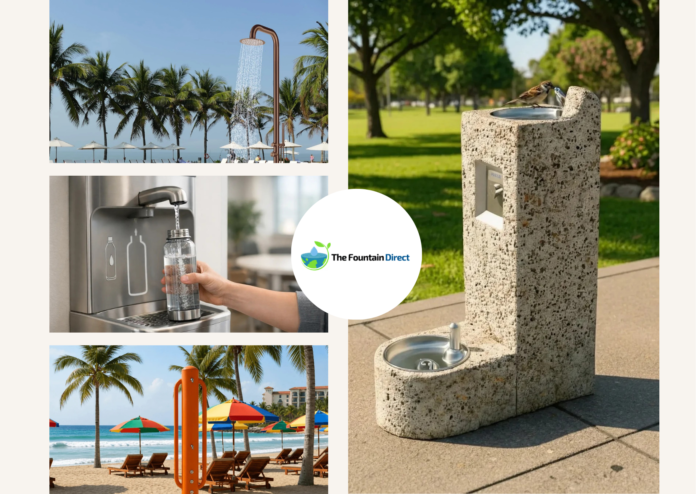
A well-designed water experience starts with flow that matches real use patterns. Determine whether visitors need a quick rinse before moving on or a more thorough wash that requires longer exposure. Make sure water pressure is sufficient to water bottle filling station remove sand, dirt, and residue without causing discomfort or splashing beyond the containment area. When possible, include controls that are simple for guests to operate, such as easy taps and straightforward activation.
This helps guests feel cared for while keeping them in the same “convenience zone.” Place filling access so it does not conflict with rinsing space, and consider signage for one-way movement to reduce crowding. To improve comfort, plan for temperature considerations and provide enough room for users to step back, shake off excess water, and move on safely.
Maintenance, Hygiene, and Materials Checklist
Commercial foot washing setups must be easy to maintain because busy recreational spaces generate continuous debris. Choose materials built for outdoor exposure, including corrosion resistance for metal parts and durability for any touch surfaces. Confirm that the design supports routine cleaning so staff can remove sand, leaves, and scum without disassembling the entire unit. Look for features that simplify access to internal components, since time-saving maintenance reduces operational stress.
Build a simple hygiene routine by planning for quick daily checks and periodic deeper service. Inspect for clogs, blockages, or buildup around nozzles and drains, and verify that water flows evenly across the washing area. Keep spare parts on hand for high-wear items such as valves or seals, and create a short checklist for staff to follow during peak seasons. A practical maintenance plan protects performance and ensures the area stays welcoming for every visitor.
Conclusion
When placement, water flow, and maintenance are planned together, guests can rinse efficiently while staff spend less time addressing issues. This is especially important in high-traffic beaches, parks, pools, and recreational areas where conditions change quickly and demand is constant. The Fountain Direct offers durable commercial solutions designed for convenient use, easy maintenance, and reliable performance in busy environments. If you want a system that supports smooth operation and long-term durability, explore the commercial options at The Fountain Direct. With the right setup and routine care, a foot-washing solution becomes a practical part of your guest experience rather than a maintenance burden.