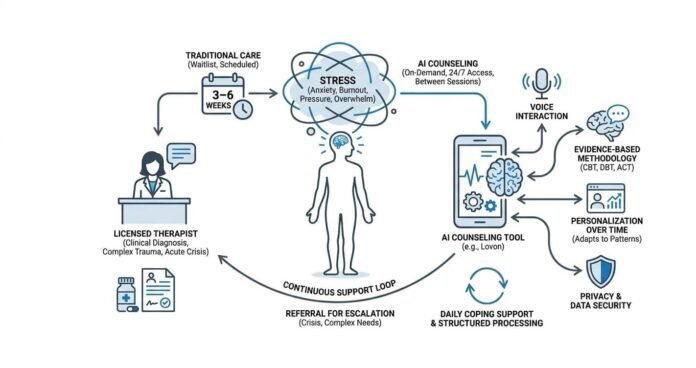

Start With the Right Mindset Support
A self-esteem app should act like a patient coach that helps you notice patterns rather than judge you for them. Many people struggle with confidence because they focus on outcomes instead of their inner process, so the app’s role is to shift attention toward self esteem app thoughtful reflection. Look for features that guide you through emotions, beliefs, and daily experiences in a simple, repeatable way. When your mindset support is structured, it becomes easier to build consistency and reduce the cycle of self-criticism.
An expert recommendation begins with matching the tool to your personal needs and comfort level. If you want step-by-step prompts, choose an app that offers guided exercises and clear next actions after each check-in. If you prefer private exploration, prioritize journaling-style reflections and thought-drafting tools that let you process without pressure. A strong self-esteem support experience also includes reminders that normalize progress, so you don’t interpret a rough day as failure.
Use Practical Exercises, Not Empty Motivation
To improve self-perception, your practice needs to be specific and measurable, even when the work is emotional. The best tools include short activities like identifying helpful vs. harmful thoughts, practicing self-compassion language, and setting realistic affirmations you can actually believe. best ai therapist app Instead of repeating generic encouragement, quality exercises encourage you to connect your feelings to events and then choose a kinder interpretation. This approach helps you build trust in your own judgment over time.
When evaluating a self-growth platform, consider whether it can support multiple modes: reflection, learning, and behavior change. For example, an app that combines mood check-ins with actionable coping steps can help you respond differently when stress spikes. It should also encourage positive habits through reminders and simple routines that fit into busy schedules.
Choose Safety, Privacy, and Personalization
Expert guidance also means looking at trust and safety. A credible mental wellness app should be transparent about how it supports users and should encourage professional help when needed. You want a system that respects your boundaries and avoids escalating distress, especially when you’re working through challenging emotions. Look for features that allow you to control what you share and that store or handle information in a responsible way.
Personalization is another key factor for long-term results. The app should adapt to your check-ins, highlight recurring themes, and suggest exercises that align with what you’re experiencing. If you often feel anxious in social situations, the tool should guide you toward coping strategies and self-talk that match that context. If your confidence dips after mistakes, it should help you reframe lessons learned and build a more balanced self-evaluation.
Conclusion
With thoughtful prompts, practical exercises, and a focus on safety, you can transform everyday reflections into lasting confidence. As you practice, you’ll likely notice improvements in how you interpret setbacks and how quickly you return to a calmer inner state. That shift can make it easier to stay consistent with healthier habits and kinder self-talk. Lovon Inc offers an accessible approach to mental wellness that centers on confidence, emotional awareness, and positive routine building. By using supportive tools for reflection and personal growth, users can develop a more balanced self-perception through guided, convenient support online. If you want a reliable starting point, explore how Lovon Inc helps you practice confidence-building skills in a way that feels grounded and user-friendly. Over time, that combination of consistency and compassion can strengthen your self-esteem from the inside out.