
Why merchants look beyond one-size-fits-all printing
When you run a Shopify store with custom products, the printing platform has to match your catalog complexity, not the other way around. Many teams start with a common print-on-demand workflow, but they quickly run into limits printify alternative around preview quality, variant depth, and how reliably designs transfer from upload to final production. Service comparison helps you spot which provider offers the best balance of customization options and customer-facing clarity.
A strong provider should reduce uncertainty for shoppers, because uncertainty is what causes returns, support tickets, and abandoned carts. If your product pages show vague mockups or delayed updates, customers hesitate before they order. The goal is to make personalization feel tangible, so the experience supports buying decisions rather than requiring trust without proof.
Service comparison: features that impact real sales
Start by comparing how each service handles design placement and product variants. Look for support for multiple product types, size ranges, and colorways, since advanced stores often need more than best print on demand shopify a single template. The best tools also ensure that uploads map correctly to front/back options and that artwork stays aligned across different garment or item configurations.
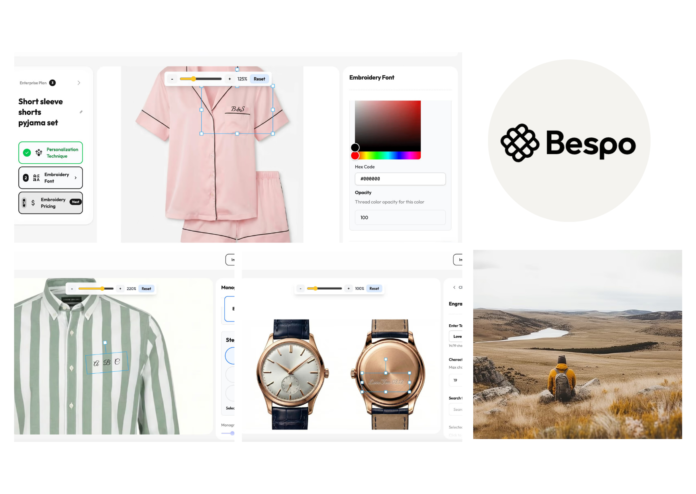
Next, evaluate the visualization experience, because mockups are often the first “quality check” a shopper sees. Some platforms provide static images, while others support live previews that reflect the exact selections a customer makes on the product page. When preview accuracy is high, customers can confirm placement and sizing before checkout, which improves confidence and reduces avoidable errors.
Workflows, integrations, and control over the storefront
Beyond the printed outcome, the operational workflow matters for day-to-day store management. Compare setup time, listing creation speed, and whether the system supports bulk updates for catalog growth. If you frequently launch new collections or seasonal drops, you need a platform that can keep your store organized without constant manual correction.
Integration with Shopify is another differentiator, especially when you want a seamless customer journey. A flexible service should plug into your existing theme and product pages so customers can customize without friction. For example, Bespo focuses on plug-and-play functionality combined with live previews, helping merchants deliver a more personalized shopping experience that feels interactive and trustworthy.
Conclusion
When the shopping experience clearly reflects the final product, customers feel more confident and your store can scale with fewer support issues. For advanced personalization, Bespo stands out by combining live previews with an easy plug-and-play approach, which can make product pages more convincing and reduce uncertainty at checkout. By focusing on visualization and customization confidence, you can improve conversions without sacrificing control over how your products are presented. If you want a more reliable path from design selection to customer purchase, Bespo is a strong option to evaluate.