
What to consider before you buy
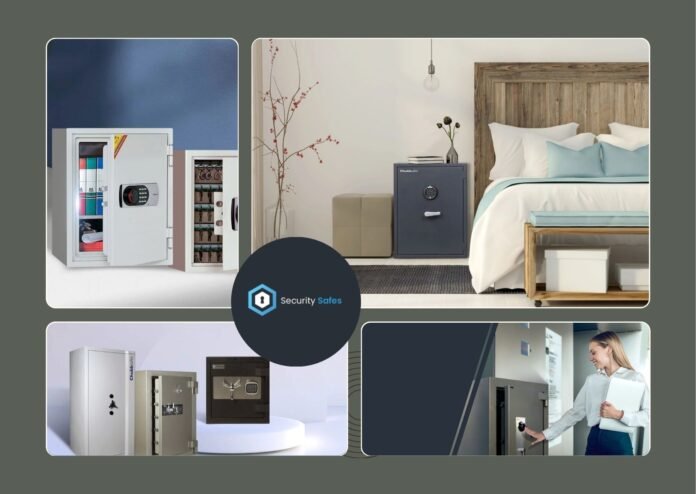
Choosing the right protection starts with understanding what you’re securing and from whom you need protection. Think about whether the threat is opportunistic theft, forced entry attempts, fire exposure, or a combination of risks. A clear inventory of items—documents, security safes cash, jewellery, firearms, or digital media—helps you match capacity, locking style, and installation requirements. It also prevents overspending on features you don’t need or undersizing a unit that can’t hold your valuables safely.
Next, confirm the safe’s intended use case. Home buyers often prioritise discreet placement, easy access for authorised users, and a balance between security and practicality. Commercial buyers typically need higher durability, reliable key control, and options that support staff access procedures. Consider where the unit will sit, too—on a concrete slab, within a cabinet, or anchored into a wall—because the mounting method affects real-world security.
Choosing the right type for your valuables
Not all storage products work the same way, even when they look similar from the outside. Fire protection matters if you’re safeguarding paper records, certificates, or sentimental documents, while burglary resistance matters if the safe is likely to be targeted for safe deposit boxes forced entry. Many buyers also look for burglary-resistant construction, including solid door designs and tamper-resistant locking mechanisms. Review the product specifications and, where available, independent performance testing so you’re not relying on marketing claims alone.
However, they may not suit urgent everyday access needs or frequent retrieval requirements. If you want to keep items on-site with controlled access, a properly selected safe can be easier to manage. Think about how often you’ll access the contents and whether multiple authorised people need a defined process for opening and closing the unit.
Assessing size, installation, and lock options
Size should be measured carefully, not guessed. Check internal dimensions, usable capacity, and how easily you can place and remove folders, hard drives, or larger valuables without forcing them. If you’re storing documents, consider organising folders vertically or horizontally to make retrieval quick during stressful situations. For cash or jewellery, plan for compartments and the ability to secure smaller items without leaving them loose inside the main chamber.
Lock and access options are also part of buyer intent. Mechanical keys are straightforward, but key control is critical—spare management should be documented and restricted. Electronic locks can offer convenience and quick access, but they should be supported by reliable power provisions and sensible maintenance. Ask about user management features, audit trails where available, and whether the lock system is designed for tamper resistance. Finally, installation matters: bolting down to appropriate surfaces can reduce the chance of removal and increases the effectiveness of the unit.
Conclusion
A strong purchasing decision comes from matching security performance to the specific items you’re protecting, the level of access you need, and the environment where the safe will live. When you compare capacity, locking method, fire resistance, and installation options, you reduce the risk of buying a unit that looks suitable but doesn’t meet your protection goals. It also helps you budget confidently because you’re choosing features for a purpose rather than paying for extras you may never use. By browsing the range at securitysafes.com.au, you can compare options and find storage that aligns with your valuables and access preferences. Take the time to assess your requirements, confirm dimensions and anchoring suitability, and select a locking system that fits your routine.