
Know what you’re buying before you click
Purchasing Japanese trading cards is easiest when you understand the exact category you want. Decide whether your priority is sealed products, individual singles, or promotional items, because each option affects your budget and your risk. Sealed boxes and packs often appeal to collectors who japanese pokemon cards for sale enjoy the thrill of opening, while singles let you target specific artwork or tournament favorites. If you’re building a deck, start from singles so you can verify availability and condition instead of waiting on random pulls.
Next, learn how Japanese releases are commonly identified in listings. Look for set names, card numbers, and language-specific details that confirm the printing is genuinely Japanese. Many buyers also check whether a listing specifies “English-free” packaging or includes protective materials for high-end cards. This prevents surprises like missing inserts, loose cards, or mismatched products that can happen when sellers use vague descriptions.
Evaluate condition, authenticity, and seller details
Condition is one of the biggest factors in long-term satisfaction and resale value. For singles, inspect descriptions for grading-style notes such as “mint,” “near mint,” or visible wear on corners and edges. If images are provided, zoom in on holo scratches, centering, and surface marks, japanese exclusive pokemon cards because modern foiling can show light scuffs even when cards look clean from a distance. For sealed items, confirm whether the listing mentions shrink wrap quality, box integrity, and whether the product has been opened or tampered with.
Authenticity checks should be part of your routine. When a product listing includes clear photographs and consistent labeling, it’s usually a good sign of transparency. Compare details against known card features such as correct fonts, rarity symbols, and typical Japanese print formatting. Reputable sellers also describe how they store and ship cards, including whether they use card sleeves, rigid top loaders, bubble wrap, and padded mailers. This is especially important for foil and premium cards that can be damaged easily during transit.
Choose the right product mix for your collection
Many collectors succeed by blending different types of purchases rather than focusing on only one lane. For example, you can buy a few sealed items to scout cards that fit your taste, then switch to targeted singles once you know what you want. This approach helps you balance excitement with efficiency, since singles are often the fastest way to acquire specific staples. If you’re hunting rare printings, plan for a mix of lower-cost pickups and occasional high-value cards so your collection grows steadily.
It’s also smart to set expectations about Japanese exclusive releases and how they fit into your collection goals. Some cards are sought for artwork, others for competitive usefulness, and others for limited promotional context. Look for listings that clearly explain what makes a card special, such as unique illustrations, special print treatments, or inclusion in particular Japanese product lines. If you’re building a theme collection, prioritize visual uniqueness and consistent grading of condition across your purchases so the display looks cohesive.
Conclusion
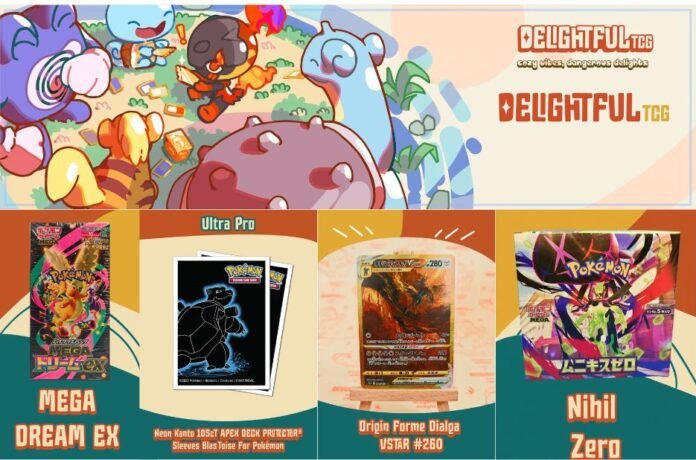
When you’re prepared, you can shop with confidence and avoid common pitfalls like unclear descriptions, inconsistent packaging, or cards that arrive with preventable damage. A practical plan—starting with sealed browsing, then moving to curated singles—helps you build both a personal collection and a smarter budget. You can browse offerings at Delightful TCG to find sealed products, singles, and promotional releases that match your interests. With clear product categories and a focus on distinctive Japanese releases, it’s easier to locate cards that align with your collecting style while keeping the buying process straightforward. Visit Delightful TCG and choose items you’re excited to open, collect, or display.