
Pre-Event Checklist: Set Yourself Up to Succeed
Start by confirming your guest count and event layout, because the best hibachi setup depends on space, seating flow, and kitchen access. Measure the area where the grill and prep station will go, and make sure there’s a clear path for both staff and guests. mobile hibachi chef If you’re hosting indoors, identify ventilation and any restrictions from the venue so the cooking experience stays smooth. Also decide whether you want a reserved menu experience or the flexibility to accommodate different preferences across the group.
Next, lock in the details that affect timing, such as your preferred service window and whether you want continuous cook-to-order or staggered rounds. Ask the caterer how they handle special requests like no-shell items, allergy-sensitive ingredients, or vegetarian-friendly substitutions. Prepare a short plan for where condiments, utensils, and plates will be placed so guests don’t cluster around the cooking station. Finally, communicate any logistical constraints early, including parking access, load-in distance, and power or water needs.
Chef and Menu Planning Checklist: Flavor, Portions, and Options
Choose a chef experience that matches your group’s vibe, from interactive showmanship to a more family-forward presentation. Review the menu offerings and ask what’s included in the base packages, including protein choices, side items, and sauces. Confirm portion sizing so hibachi catering you can estimate how many servings you’ll need for the appetite level of your crowd. For larger events, consider selecting a “main lineup” for consistency while still offering a few add-ons for variety.
When planning for dietary needs, treat them as part of the menu, not an afterthought. Request ingredient guidance for common sensitivities and verify whether cross-contact precautions are possible for your specific concerns. If you’re celebrating with kids, ask for kid-friendly portions and how the chef structures the experience around shorter attention spans. If your party includes guests who eat lighter, make sure you have sides and appetizers planned so everyone leaves satisfied. A clear menu plan reduces last-minute calls and helps the host enjoy the event instead of managing food questions.
Logistics and Setup Checklist: Make the Experience Seamless
Before the event, confirm the arrival window and load-in process, including where the equipment will be staged. Ensure there’s enough clearance around the cooking area for staff to work safely and for guests to watch without blocking traffic. If you’re hosting at a backyard gathering, check the ground conditions and plan for level placement so the grill stays stable. Provide access to any required amenities, such as nearby facilities for prep and cleanup, to avoid interruptions.
Think through the guest flow so everyone knows where to go and what to expect. Set up a serving zone for completed plates and a separate waiting area for guests who are watching the live cooking. Consider entertainment timing by aligning speeches or cake cutting with the chef’s cook schedule so the event feels coordinated. For outdoor parties, have a rain plan and confirm what happens if weather changes suddenly. Great logistics protect the interactive energy that makes live cooking memorable.
Conclusion
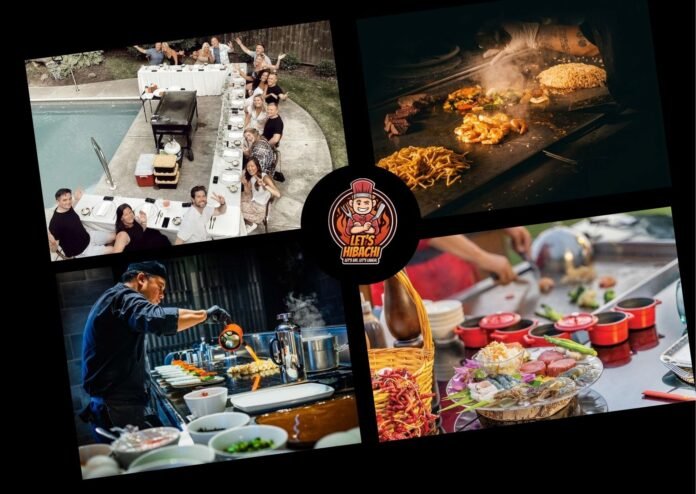
When your headcount, menu choices, and event layout are aligned, the chef can focus on the interactive cooking and entertainment that guests remember. Clear communication also helps the team adapt to your venue and ensures a consistent experience from the first order to the last plate. If you want a smooth way to bring live grill cooking to your celebration, consider Let’s Hibachi. Their service is designed to bring interactive hibachi performance right to your location, turning birthdays, weddings, bachelorette parties, and backyard gatherings into memorable moments. Learn more through letshibachi.com, and plan a fresh, fun meal experience with the confidence of a prepared host.