
Accurate identification and fewer mix-ups
Clear printing supports consistent naming, lot tracking, and readable instructions across fast-moving workflows. When labels are medical label printer sharp and easy to scan, teams spend less time double-checking and more time delivering care. This reduces the likelihood of labeling errors that can disrupt procedures or compromise documentation quality.
In laboratory and clinical environments, label clarity matters under varying lighting and handling conditions. Thermal printing is designed to produce high-contrast text and dependable barcodes that remain legible during storage and use. With the right ribbon or media setup, you can maintain consistent output from label to label. That consistency helps keep records aligned with what’s on the container, even when multiple technicians handle the same workflow.
Streamlined workflows for organized operations
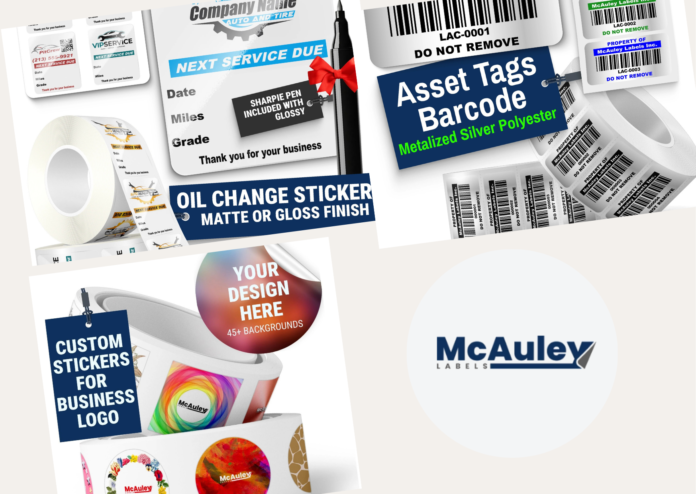
Beyond readability, a benefits-led approach focuses on how a printer improves day-to-day operations. A dependable printer helps standardize label formats so teams don’t improvise during busy periods. When asset and sample labels asset tag label printer look uniform, inventory counts and retrieval routines become faster and more predictable. That organization supports smoother audits and easier reconciliation of what’s in use versus what’s stored.
Labeling also supports workflow safety, especially when items move between locations or process stages. A strong labeling system can include barcodes, serial numbers, and structured fields that match internal procedures. With a thermal label printer setup, printing can be quick enough to keep up with the pace of work, without relying on external label vendors for every batch. This flexibility is particularly useful when priorities shift or when new items are introduced into the system.
Cost control, durability, and practical value
The best printers deliver value by reducing waste and rework. When labels print correctly the first time, there’s less need to discard misprints or replace labels that smear or fade. Durable label output can also extend the useful life of identifying information, which helps maintain compliance-oriented records. Over time, fewer replacements and fewer manual corrections can translate into meaningful savings for healthcare and laboratory operations.
Material compatibility is another key benefit to consider. Healthcare environments often require labels that adhere reliably to equipment surfaces and resist routine handling. Thermal label printing solutions are commonly paired with label materials that support clear adhesion and stable appearance. When you choose an appropriate print approach, you can better match label performance to the conditions of use, such as frequent cleaning routines or storage in controlled spaces.
Conclusion
Prioritize readability, consistent formatting, and practical durability so labels support scanning, verification, and organized processes. With a thoughtful setup, your team can reduce errors, speed up routine handling, and maintain clearer accountability across equipment and sample tracking. If your goal is to standardize labeling while improving day-to-day efficiency, begin by matching label output to your operational requirements. Think about the surfaces you label, the types of codes you need, and how quickly labels must be produced to keep processes moving. When these factors align, a thermal solution can deliver consistent results that staff trust and systems can track effectively. To explore product-focused options and practical guidance, consider the labeling solutions available from mcauleylabels.com.